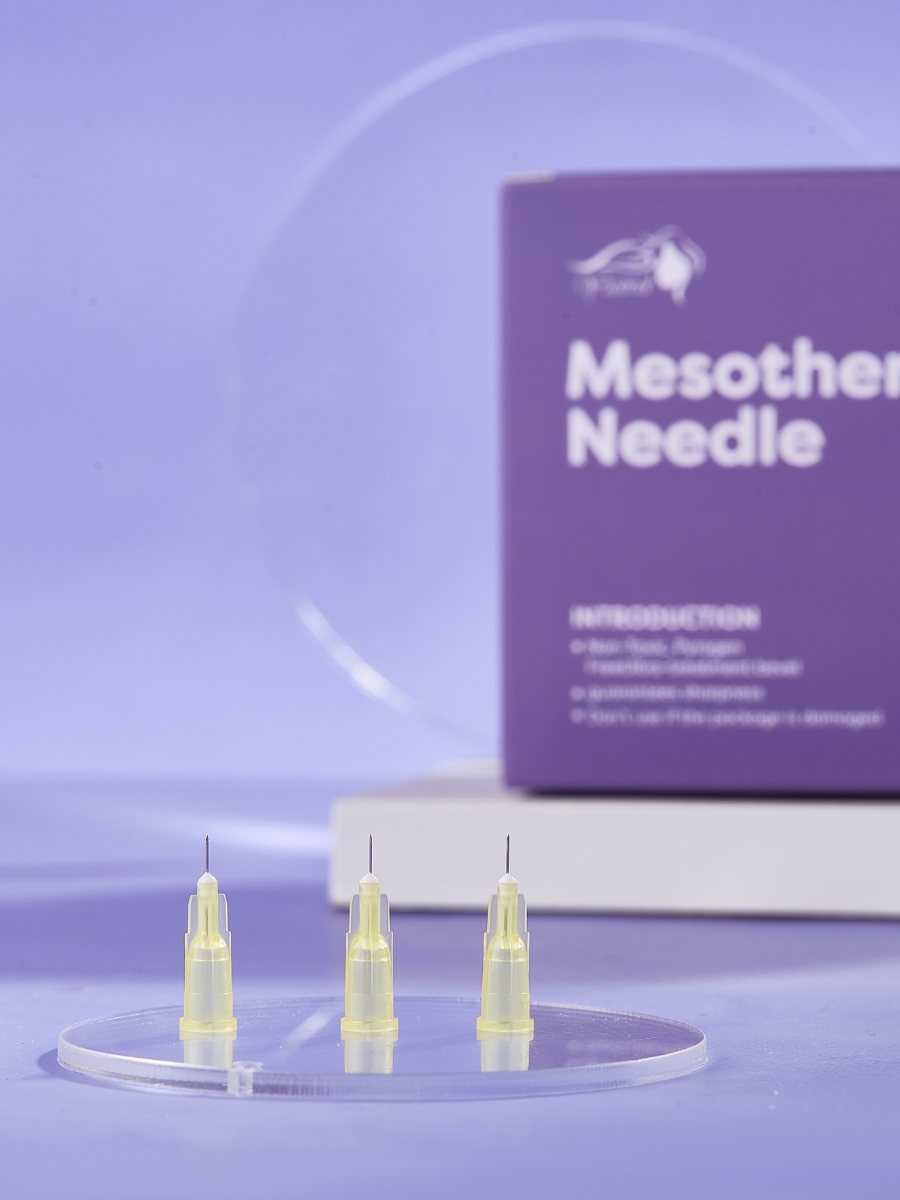
In recent years, at-home microneedling pens have surged in popularity as a convenient and cost-effective way to enhance skincare routines. These innovative devices aim to rejuvenate the skin by boosting collagen production, fading scars, and improving overall texture. As more individuals turn to these tools, many are left wondering, are at-home microneedling pens effective? Understanding the performance, safety, and results of these devices is essential for anyone considering this skincare solution.
This comprehensive guide explores the effectiveness of at-home microneedling pens, comparing their results to professional treatments and evaluating the various factors that influence success. Users can expect to learn about how these pens work, safety precautions, and tips for maximizing benefits. With varying needle depths and customizable settings, at-home microneedling offers a level of personalization that can cater to individual skin concerns. However, it is crucial to approach this treatment with proper knowledge to ensure optimal safety and effectiveness. Dive into this article to uncover everything you need to know about at-home microneedling pens and their potential to transform your skincare routine.
How Effective are At-Home Microneedling Pens? Understanding the Impact
At-home microneedling has gained considerable popularity as a skincare treatment that promises to rejuvenate the skin, boost collagen production, and tackle various skin concerns such as wrinkles, scars, and uneven texture. But how effective are these at-home devices compared to professional treatments? This section will delve into the impact of at-home microneedling pens, evaluating their effectiveness and safety.
What is Microneedling?
Microneedling involves using fine needles to create micro-injuries in the skin. This process stimulates the body’s natural healing response, which results in increased collagen and elastin production. While professional treatments are typically performed by licensed dermatologists or skincare professionals, at-home microneedling pens allow users to replicate this experience in their own bathrooms.
Effectiveness of At-Home Microneedling Pens
The effectiveness of at-home microneedling predominantly depends on several factors, such as device quality, needle depth, frequency of use, and individual skin type. Most at-home devices feature shorter needle lengths (usually around 0.25mm to 0.5mm), which are designed to enhance skincare product absorption and stimulate surface-level skin healing.
While these shorter needles may not provide the same dramatic results as professional treatments—which can go as deep as 2.5mm—they can still offer noticeable improvements in skin texture, fine lines, and overall appearance when used consistently over time. Users often report improved product absorption, leading to enhanced efficacy of serums and skincare products applied post-treatment.
Safety Considerations
Safety is a significant concern with at-home microneedling. Unlike professional services that maintain strict hygienic practices, at-home users may inadvertently increase their risk of infection if they don’t follow proper sterilization methods or aftercare instructions. To mitigate risks, always ensure the device is clean and avoid performing treatments on active acne or open wounds. It’s also advisable to perform a patch test before the first full treatment to check for any adverse reactions.
Tips for Effective Use
- Choose the Right Device: Invest in a reputable brand that uses quality materials. Look for pens that have adjustable speeds and needle depth settings.
- Follow Instructions: Always read and follow the manufacturer’s guidelines to ensure safe and effective use. Proper technique is crucial for optimal results.
- Cleanse and Prep: Begin with a thorough cleansing of your skin to remove any dirt or oil before microneedling.
- Post-Treatment Care: Apply soothing serums or hyaluronic acid post-treatment to nourish and hydrate the skin. Avoid sun exposure and harsh skincare products for a few days following the procedure.
Conclusion
At-home microneedling pens can be effective tools for improving skin texture and appearance when used correctly. They are a more accessible and cost-effective alternative to professional treatments, though results may vary based on individual conditions and device quality. As with any skincare treatment, it’s essential to prioritize safety and adhere to proper usage practices to maximize benefits and minimize risks.
What to Know About At-Home Microneedling Pens Effectiveness
At-home microneedling pens have surged in popularity as a convenient and cost-effective alternative to professional treatments. These devices claim to rejuvenate the skin, improve texture, and reduce the appearance of scars and wrinkles. However, understanding their effectiveness is crucial for anyone considering this cosmetic procedure.
How At-Home Microneedling Pens Work
At-home microneedling devices use fine needles to create micro-injuries on the skin’s surface. This process stimulates the body’s natural healing response, leading to increased collagen and elastin production. As the skin heals, it may become firmer, smoother, and more youthful in appearance. Most at-home devices allow users to adjust the needle depth, offering a customizable experience.
Effectiveness Compared to Professional Treatments
While at-home microneedling pens can provide some noticeable results, they typically do not match the effectiveness of professional microneedling treatments performed by licensed dermatologists or aestheticians. Professionals utilize advanced devices with adjustable settings, sterile environments, and the expertise to target specific skin concerns. They also have access to higher-quality serums that enhance treatment outcomes.
Safety Considerations
Safety is a significant concern when using at-home microneedling pens. Improper techniques or unsanitary conditions can lead to adverse effects such as infections, scarring, or prolonged redness. To minimize risks, follow these guidelines:
- Choose a reputable device and read reviews to ensure quality.
- Always clean your pen and skin thoroughly before treatment.
- Start with a shallow needle depth until you are confident in your technique.
- Monitor your skin’s reaction and discontinue use if you experience severe irritation.
Expected Results
Results from at-home microneedling pens can vary based on individual skin types and the specific concerns being addressed. Some users report improvements in skin texture and tone after consistent use, typically every four to six weeks. However, results may be subtle compared to professional treatments, which often yield more dramatic improvements due to their higher precision and potency.
Complementary Products
To maximize the benefits of at-home microneedling, it is advisable to use quality serums or topical treatments post-needling. Ingredients such as hyaluronic acid, peptides, and growth factors can enhance skin healing and hydration. Additionally, always apply sunscreen to protect the skin, as it may be more sensitive following treatment.
Conclusion
At-home microneedling pens can be an effective option for those looking to improve their skin’s appearance without the time and cost of professional sessions. However, users should approach with caution, prioritize safety, and set realistic expectations about results. For significant concerns or conditions, consulting with a skincare professional may still be the best route for optimum results.
The Benefits of Using At-Home Microneedling Pens Effectively
Microneedling has gained traction as a popular skin treatment in recent years. With the advent of at-home microneedling pens, achieving professional-quality skin rejuvenation has never been more accessible. However, it’s crucial to understand how to use these tools effectively to reap their full benefits. Below, we explore the advantages of utilizing at-home microneedling pens properly.
1. Improved Skin Texture and Tone
One of the primary benefits of microneedling is its ability to enhance skin texture and tone. By creating tiny micro-injuries in the skin, microneedling stimulates collagen production, promoting smoother and firmer skin. Regular use of an at-home microneedling pen can lead to noticeable improvements in skin texture, reducing the appearance of fine lines, wrinkles, and enlarged pores.
2. Boosted Product Absorption
Using a microneedling pen effectively can significantly increase the absorption of topical products. After microneedling, the skin is more receptive to serums and moisturizers, allowing these products to penetrate deeper and work more effectively. This means that your skincare routine can achieve enhanced results, making your investments in high-quality skincare products more valuable.
3. Convenience and Cost-Effectiveness
At-home microneedling pens provide a convenient alternative to salon treatments. While professional microneedling can be expensive and time-consuming, utilizing a microneedling pen at home saves both time and money. You can perform treatments at your own pace and on your schedule, eliminating the need for frequent trips to a dermatologist or aesthetician.
4. Customizable Treatments
Microneedling pens come with adjustable needle depths, allowing you to tailor your treatment to your specific skin concerns. Whether you’re targeting acne scars, stretch marks, or general signs of aging, an at-home microneedling pen can be customized to suit your individual needs. This level of personalization empowers you to address your unique skin challenges effectively.
5. Minimal Downtime
When done correctly, at-home microneedling can involve minimal downtime compared to more invasive procedures. Most users experience mild redness and swelling that typically subsides within a few days. This means you can quickly return to your routine without the lengthy recovery period often associated with traditional microneedling treatments.
6. Safe and Accessible
When used according to manufacturer instructions and safety guidelines, at-home microneedling pens are a safe option for most skin types. They enable individuals to take their skincare journey into their own hands, minimizing the barriers often associated with professional treatments. However, it’s essential to research thoroughly and consider starting with a lower needle depth to assess how your skin reacts.
7. Enhanced Confidence
Finally, the consistent use of at-home microneedling pens can lead to long-lasting improvements in skin appearance, which often translates to enhanced self-confidence. Feeling good about your skin can have a positive impact on various aspects of your life, from your personal relationships to your professional interactions.
In summary, using at-home microneedling pens effectively offers numerous benefits, including improved skin texture, boosted product absorption, and cost-effectiveness. With proper education and safety precautions, these tools can be an invaluable addition to your skincare regimen.
Risks and Considerations for At-Home Microneedling Pens Effectiveness
Microneedling has gained immense popularity in recent years for its ability to improve skin texture, reduce scars, and promote collagen production. While professional treatments are often conducted in clinical settings by trained professionals, at-home microneedling pens have emerged as an accessible alternative. However, potential users should carefully assess the risks and considerations associated with at-home microneedling to ensure both effectiveness and safety.
1. Risk of Infection
One of the significant risks associated with at-home microneedling is the possibility of infection. When microneedling, tiny needles create micro-injuries in the skin, which can potentially lead to bacterial entry. If proper sterilization protocols are not followed—such as disinfecting the device before use or applying clean techniques—users may inadvertently introduce harmful bacteria into the skin, leading to infections that could worsen skin conditions.
2. Skin Irritation and Reactions
At-home microneedling can cause skin irritation if not performed correctly. Users may experience redness, swelling, and discomfort after treatment. Inexperienced users might apply excessive pressure, leading to deeper punctures and more significant damage than intended. Moreover, individuals with sensitive skin or pre-existing skin conditions may experience adverse reactions, making it essential to consider skin type and condition before proceeding with home treatments.
3. Device Quality and Safety
The market is flooded with various at-home microneedling devices, leading to concerns over quality and safety. Some devices may not meet safety standards or use inferior materials that can cause harm. Purchasing products from reputable brands with positive reviews is crucial to ensure users are investing in a reliable and safe device. Additionally, it’s important to check for proper needle length, as using excessively long needles at home increases risks of injury and complications.
4. Knowledge and Technique
A proper understanding of microneedling technique is paramount for efficacy. Users must educate themselves on how to use the device effectively to avoid injury and maximize results. Incorrect angles, pressure, and movement can lead to suboptimal outcomes, such as ineffective treatment or even scarring. Watching instructional videos, reading user manuals, and following best practices are essential steps to minimize risks while achieving desired results.
5. Post-Care Considerations
The aftercare process post-microneedling is crucial for ensuring optimal results and preventing complications. After treatment, the skin becomes sensitive, and applying incorrect products can exacerbate irritation or cause breakouts. Users should avoid harsh skincare ingredients, excessive sun exposure, and heavy makeup in the immediate aftermath. Following a tailored aftercare regimen recommended by professionals can enhance healing and effectiveness.
6. Unrealistic Expectations
Lastly, it is vital for users to have realistic expectations regarding the results of at-home microneedling. While visible improvements may occur over time, instant results are not typical, and multiple sessions may be required to achieve desired outcomes. Users should approach at-home microneedling with patience, understanding that this treatment is part of a broader skincare routine.
In conclusion, while at-home microneedling pens offer a convenient and accessible solution for skin enhancement, users must weigh the risks and considerations involved. Prioritizing safety, education, and realistic expectations can lead to a more effective and satisfying experience.