As we age, fine lines around the mouth, often known as smile or lip lines, can become more pronounced, affecting our confidence and overall appearance. These lines are a natural part of aging, caused by factors like sun exposure, smoking, and the gradual loss of collagen and elasticity in the skin. Fortunately, there are various effective methods to combat these signs of aging and rejuvenate the skin. Knowing how to get rid of fine lines around the mouth is essential for anyone looking to maintain a youthful look.
This article will explore a range of treatment options, from skincare products and lifestyle changes to advanced cosmetic procedures tailored to combat fine lines around the mouth. Whether you’re interested in at-home remedies or professional interventions, understanding these approaches can help you choose the best plan for your skin. With a combination of diligence and the right strategies, achieving smoother, more youthful-looking skin is within reach.
How to Get Rid of Fine Lines Around the Mouth: Effective Treatments
Fine lines around the mouth, often referred to as “smile lines” or “lip lines,” can become more noticeable with age due to a combination of factors such as sun exposure, repeated facial movements, and the natural loss of collagen and elasticity in the skin. Thankfully, there are several effective treatments and practices to help reduce their appearance.
1. Moisturizers and Hydration
Keeping the skin well-hydrated is crucial for reducing the appearance of fine lines. Look for moisturizers that contain hyaluronic acid, glycerin, or ceramides, which help attract and retain moisture in the skin. Additionally, drinking plenty of water throughout the day is essential for maintaining overall skin hydration.
2. Retinoids
Topical retinoids, derived from vitamin A, are well-known for their anti-aging properties. They work by promoting cell turnover and stimulating collagen production, which can help diminish the appearance of fine lines over time. Start with a low concentration to gauge your skin’s tolerance, and gradually increase it as your skin adapts.
3. Sunscreen
Protection from sun damage is essential in preventing further fine lines. Daily application of a broad-spectrum sunscreen with an SPF of at least 30 is crucial, even on cloudy days. UV rays can accelerate skin aging, making sunscreen a vital part of any skincare routine.
4. Chemical Peels
Chemical peels can be an effective option for reducing fine lines. These treatments involve applying a chemical solution to exfoliate the top layers of skin, promoting new skin growth that can be smoother and less lined. Depending on the type of peel, results can vary, so it’s best to consult with a dermatologist to determine the most suitable treatment for your skin type.
5. Microneedling
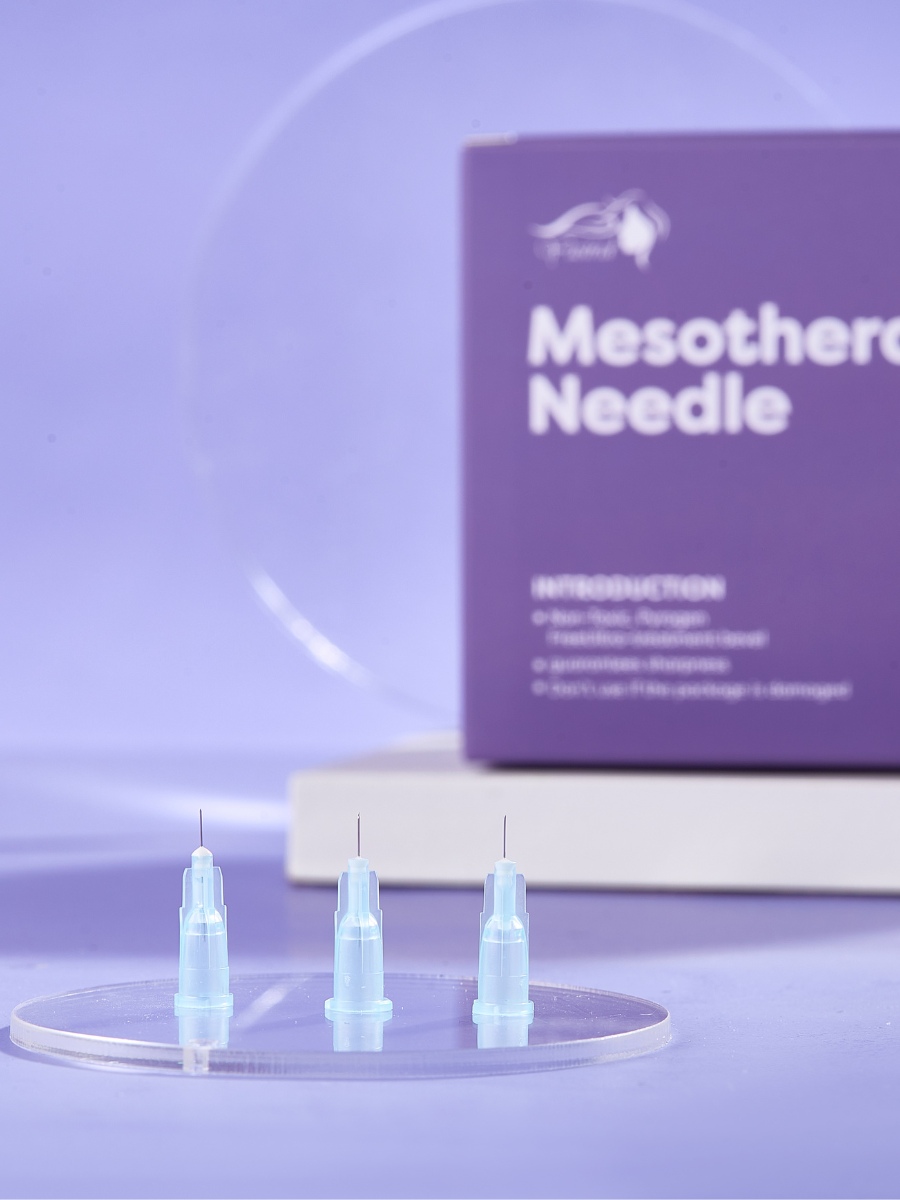
Microneedling, also known as collagen induction therapy, involves using a device with tiny needles to create micro-injuries in the skin. This process stimulates the body’s natural healing response, leading to increased collagen and elastin production. As a result, many patients see a reduction in fine lines after a series of treatments.
6. Fillers
Dermal fillers can provide immediate results for fine lines around the mouth. These minimally invasive injections add volume to the skin, smoothing out lines and creases. Different types of fillers are available, so consulting with a qualified practitioner can help you choose the best option based on your specific needs.
7. Lifestyle Changes
Adopting healthy lifestyle changes can significantly impact the appearance of fine lines around the mouth. Quit smoking, as it contributes to skin aging. Additionally, a balanced diet rich in antioxidants, healthy fats, and vitamins can promote skin health. Regular exercise also enhances circulation, helping to deliver nutrients to the skin.
In conclusion, while fine lines around the mouth may be a natural part of aging, various effective treatments are available to reduce their appearance. From skincare products to professional treatments, finding the right combination for your skin can help restore a youthful look.
What Causes Fine Lines Around the Mouth and How to Prevent Them
Fine lines around the mouth, often referred to as “smoker’s lines” or “lip lines,” are subtle yet noticeable signs of aging. While they can be a natural part of getting older, understanding their causes can help you take steps to prevent them and maintain a youthful appearance.
Causes of Fine Lines Around the Mouth
Fine lines around the mouth arise due to a combination of factors, including:
- Age: As we age, the skin loses collagen and elastin, essential proteins that provide structure and elasticity. This deterioration makes the skin more susceptible to developing fine lines.
- Sun Exposure: Ultraviolet (UV) rays can damage the skin’s collagen and lead to premature aging. Chronic sun exposure not only accelerates the development of fine lines but can also cause pigmentation issues.
- Smoking: The repetitive motion of pursing the lips and the harmful chemicals in cigarettes contribute significantly to the formation of fine lines. Smoking reduces blood flow to the skin, depriving it of oxygen and vital nutrients.
- Facial Expressions: Repeated expressions, such as smiling or frowning, can establish grooves in the skin. Over time, these dynamic lines become static, resulting in fine lines around the mouth.
- Dehydration: Dry skin can exacerbate the appearance of fine lines. When the skin lacks moisture, it becomes less plump, making any lines more pronounced.
- Genetics: Your genetic makeup plays a role in how your skin ages. If your family members have developed fine lines early on, you might be predisposed to experiencing the same.
How to Prevent Fine Lines Around the Mouth
While aging is inevitable, there are several strategies you can employ to reduce the risk of developing fine lines around your mouth:
- Use Sunscreen: Protecting your skin from sun damage is essential. Apply a broad-spectrum sunscreen with an SPF of at least 30 daily, even on cloudy days.
- Stay Hydrated: Drinking plenty of water helps maintain skin hydration. Additionally, consider using a good moisturizer to keep your skin plump and healthy.
- Avoid Smoking: Quitting smoking can have immediate benefits for your skin. Within weeks, you may notice improvements in texture and tone.
- Maintain a Healthy Diet: Eating a balanced diet rich in antioxidants, vitamins, and healthy fats supports skin health. Foods like fruits, vegetables, nuts, and fatty fish can provide essential nutrients.
- Practice Good Skincare: Incorporate hydrating serums and products containing retinoids, peptides, and hyaluronic acid, which can promote collagen production and improve skin elasticity.
- Limit Repetitive Facial Movements: While it’s natural to express yourself, being aware of your facial movements can help reduce the strain on your skin around the mouth.
By understanding what causes fine lines around the mouth and implementing these preventive measures, you can keep your skin looking youthful and vibrant for years to come.
How to Get Rid of Fine Lines Around the Mouth with Home Remedies
Fine lines around the mouth, also known as smile lines or perioral wrinkles, are a common concern as we age. Factors such as sun exposure, smoking, and the natural loss of collagen and elasticity can contribute to the formation of these lines. Fortunately, there are several effective home remedies you can try to help diminish their appearance.
1. Hydration is Key
One of the simplest yet most effective ways to combat fine lines is by staying hydrated. Drinking plenty of water daily helps keep your skin plump and moisturized. Aim for at least 8-10 glasses of water a day, and consider incorporating hydrating foods, such as cucumbers, watermelon, and oranges, into your diet.
2. Natural Oils
Coconut oil, olive oil, and almond oil are excellent for nourishing the skin around the mouth. These oils are rich in antioxidants and vitamins that can help improve skin elasticity. Massage a small amount of oil onto the affected area gently, using circular motions before bedtime. Leave it on overnight for maximum benefits.
3. Aloe Vera Gel
Aloe vera is known for its soothing and hydrating properties. Applying fresh aloe vera gel around the mouth can help boost skin regeneration and elasticity. Simply cut a fresh aloe vera leaf and apply the gel to the fine lines. Let it sit for about 30 minutes before rinsing off with water. Repeat this daily for optimal results.
4. Honey
Honey is a natural humectant, which means it helps retain moisture in the skin. Its antibacterial and antioxidant properties can also promote healing and rejuvenation. To use honey, apply a thin layer to the fine lines and leave it on for 20-30 minutes before rinsing with warm water. Consider repeating this process several times a week.
5. Egg White Mask
Egg whites have a tightening effect on the skin, making them a great option for temporarily reducing the appearance of fine lines. Whisk an egg white until frothy, then gently apply it around your mouth using your fingertips. Allow it to dry for about 15-20 minutes before rinsing off with lukewarm water. You can try this once or twice a week.
6. Regular Exfoliation
Exfoliating the skin helps remove dead cells and promotes cell regeneration. You can create a gentle exfoliating scrub by mixing sugar with honey or olive oil. Use this scrub around the mouth once a week to reveal fresher, more youthful skin. Be careful not to over-exfoliate, as this can lead to irritation.
7. Facial Exercises
Facial exercises can strengthen the muscles around the mouth, which may help reduce fine lines over time. Try simple exercises such as smiling widely, pouting, or holding a chewing motion for a few seconds. Perform these exercises for a few minutes daily to improve muscle tone and skin firmness.
8. Protect Your Skin
Finally, don’t forget to protect your skin from further damage. Always apply sunscreen when going outside, as UV rays can accelerate the aging process. Choose a broad-spectrum sunscreen with at least SPF 30 and reapply every two hours.
By incorporating these home remedies into your skincare routine, you can take proactive steps toward reducing fine lines around the mouth. While results may take time, consistency is key to achieving smoother, more youthful-looking skin.
Advanced Cosmetic Procedures to Get Rid of Fine Lines Around the Mouth
Fine lines around the mouth, often referred to as “smile lines” or “marionette lines,” can be a source of concern for many individuals seeking to maintain a youthful appearance. These lines can develop due to various factors, including aging, sun exposure, smoking, and repetitive facial expressions. Fortunately, there are advanced cosmetic procedures available that can effectively address these concerns. Below, we explore some of the most popular options.
1. Dermal Fillers
One of the most common treatments for fine lines around the mouth is the use of dermal fillers. These injectables are designed to restore volume and smooth out wrinkles. Hyaluronic acid-based fillers, such as Juvederm and Restylane, are particularly effective as they not only fill out the skin but also attract moisture, providing a youthful plumpness.
The procedure itself is minimally invasive and can often be completed in under an hour, with results visible immediately. Many patients appreciate that the effects can last anywhere from six months to two years, depending on the type of filler used and individual factors like metabolism.
2. Botox Injections
While Botox is primarily known for reducing dynamic wrinkles, it can also be beneficial for fine lines around the mouth, particularly those caused by muscle movement. Botox works by temporarily paralyzing the muscles that contribute to the formation of these lines. This can help soften the appearance of wrinkles and create a smoother look.
Injections typically take only a few minutes, and results can last three to six months. Patients often combine Botox with fillers for optimal results, targeting both the static and dynamic wrinkles around the lips.
3. Chemical Peels
Chemical peels are another effective way to reduce fine lines. These treatments involve applying a solution to the skin, which exfoliates the top layers and promotes the regeneration of skin cells. By stimulating collagen production, chemical peels can improve skin texture and reduce the appearance of fine lines.
There are various types of chemical peels, ranging from superficial to deep. A consultation with a qualified dermatologist will help determine the best option based on skin type and desired outcomes. Recovery times vary, but superficial peels typically allow for a quicker return to daily activities.
4. Laser Resurfacing
Laser resurfacing is a more advanced option that uses targeted light to remove damaged skin and stimulate collagen production. This treatment can be highly effective for reducing fine lines around the mouth, as well as improving overall skin tone and texture.
There are two primary types of laser treatments: ablative and non-ablative. Ablative lasers remove the outer layers of the skin, while non-ablative lasers stimulate collagen without damaging the surface. While results can be impressive, there may be some downtime associated with ablative procedures, making it essential to plan accordingly.
5. Microneedling
Microneedling, also known as collagen induction therapy, involves using a device with fine needles to create micro-injuries in the skin. This process promotes healing and collagen production, leading to smoother skin over time. Microneedling can be particularly effective for fine lines around the mouth, as it encourages the skin’s natural renewal process.
Typically, a series of treatments is recommended for the best results, and recovery is generally quick, with minimal downtime.
In conclusion, various advanced cosmetic procedures are available to help reduce fine lines around the mouth. With options like dermal fillers, Botox, chemical peels, laser resurfacing, and microneedling, individuals can find a treatment that suits their needs and goals. Always consult with a qualified professional to determine the most appropriate approach for your unique skin condition and aesthetic preferences.